
Sources and publishing approach
For tailbone pain, start by reducing painful sitting pressure, then try gentle movement that does not make symptoms worse. Walking breaks, supported breathing, or a clinician-selected mobility exercise may be reasonable options. They serve different purposes; none is a universal cure or a way to diagnose the cause.
Tailbone pain can follow a fall, childbirth, or prolonged sitting, and sometimes has no obvious cause. NHS guidance on coccyx pain recommends pressure relief and assessment when symptoms persist or disrupt daily life.
Is the pain at your tailbone or your sit bones?
The coccyx is the small bone at the very bottom of the spine, in the center. The sit bones are paired bony areas lower down and to either side, underneath the buttocks. They are different parts of the pelvis. This Cleveland Clinic anatomy guide explains their locations.
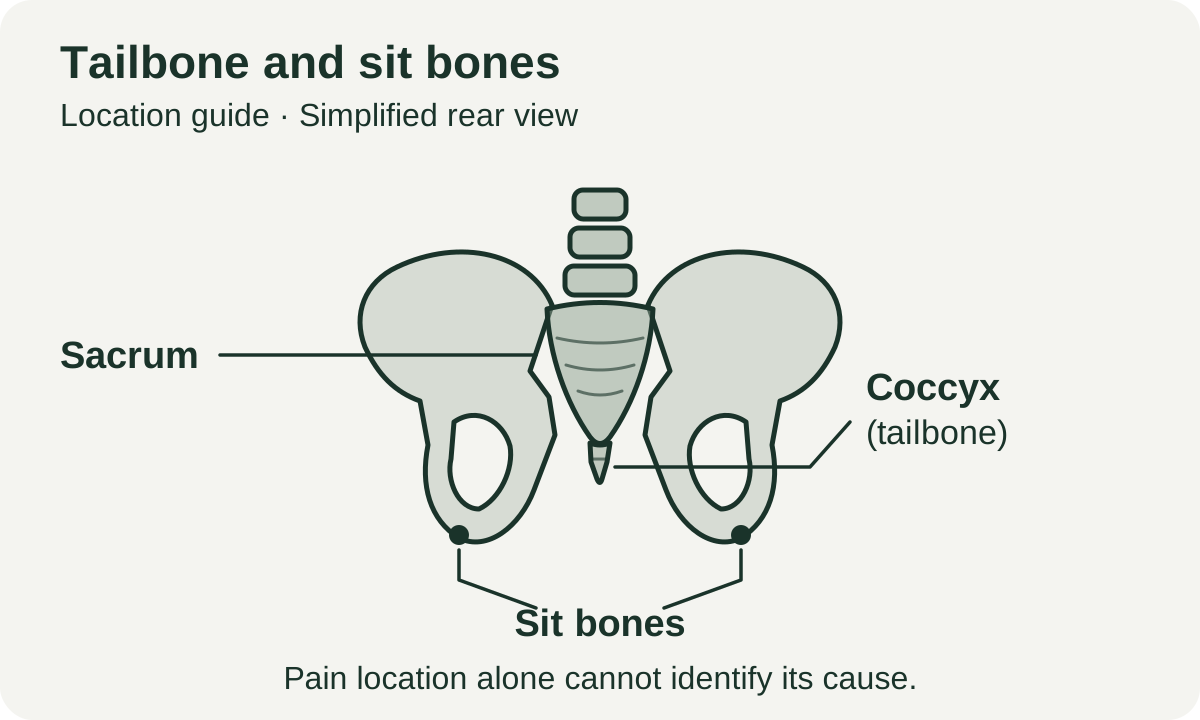
Use the picture to describe the location, not to label an injury. Discomfort under one buttock or symptoms traveling down a leg need their own assessment; sitting pain alone does not establish coccydynia. See our sciatica overview for radiating leg symptoms.
When to get checked before exercising
Go to an emergency department now for new trouble emptying your bladder, new loss of bladder or bowel control, numbness around the genitals or anus, or symptoms in both legs with back pain. Serious trauma also needs emergency assessment. Call 911 if you cannot travel safely. These are spinal warning signs, not symptoms to test with a stretch.
Seek urgent same-day medical advice for sudden severe or rapidly worsening pain, or pain with fever or feeling unwell. NHS back-pain guidance identifies these reasons for urgent assessment. Book an appointment if tailbone pain affects everyday activities or has not improved after a few weeks; NHS coccyx guidance recommends assessment in these situations.
Reduce pressure before adding a movement
Make sitting more tolerable with a supportive chair, position changes, and a coccyx cushion if it helps. Side-lying can take pressure off the area. A slight forward lean may be more comfortable than leaning back onto the painful spot. Mayo Clinic's tailbone guidance includes pressure reduction among initial options.
For chair and driving adjustments, use our tailbone pain from sitting guide. If a cushion might help, check its shape and fit.
Three gentle options to consider
Choose one option you can enter and leave comfortably. There is no need to complete every exercise or meet a repetition target. These are general examples drawn from physiotherapy guidance, not an individualized rehabilitation program. If pregnant, recently postpartum, recovering from surgery, or already following a treatment plan, check which options fit your care.
1. A comfortable walking break
Purpose: Replace some sitting time with movement.
Once walking feels comfortable, choose a level route and an easy pace. A brief indoor walk is an alternative to a longer outdoor route. Stop if it increases pain or becomes difficult. After a tailbone injury, follow your care plan: MedlinePlus describes gradually resuming light activity as pain settles.
2. A pelvic tilt if it is part of your care plan
Purpose: Gently move the lower back and pelvis.
Royal Berkshire NHS guidance for coccyx pain after childbirth includes pelvic tilts. That guidance is for postpartum patients; it does not establish that the exercise suits every cause of tailbone pain. Ask your physical therapist whether it fits your situation.
If they recommend it, lie on your back with knees bent and feet supported. Lightly draw in the lower abdomen, gently tip the pelvis to flatten the lower-back curve, then relax. Keep breathing. Use the range and repetitions agreed with your therapist. Skip the movement if lying on your back hurts, and stop if it increases tailbone pain.
3. Supported breathing and relaxation
Purpose: Practice letting go of tension, rather than adding more squeezing.
Lie on your side with comfortable support, or choose another position that avoids painful pressure. Rest one hand on your abdomen and another on your upper chest. Breathe gently through your nose, allowing your abdomen and lower ribs to expand. Let them settle as you breathe out. Keep the breath unforced; do not strain downward or hold it.
If a deeper breath feels uncomfortable, return to ordinary breathing. Stop for dizziness or increasing pain. The Torbay and South Devon pelvic-floor relaxation leaflet explains this approach. Relaxation practice does not establish that tense muscles are the cause of your pain.
What to avoid and how to judge the response
A stronger stretch is not automatically a better one. Pause a movement that reproduces sharp coccyx pain, increases direct pressure, or leaves you substantially worse afterward. Do not repeatedly retry it to see whether you can force past the discomfort. After a diagnosed injury, follow your clinician’s activity advice. MedlinePlus aftercare guidance recommends stopping painful activity and gradually resuming light activity as symptoms settle.
Use this brief log to make your next decision clearer:
| Check | What to record |
|---|---|
| Before | Where the pain is and which everyday task is difficult |
| During | The movement, position, and whether discomfort increased |
| Later that day | Whether sitting, walking, or changing position became harder |
| Next attempt | Repeat the tolerable option, reduce it, or pause and seek advice |
This is an observation aid, not a test that rules out injury. For more detail, use our pain diary.
When a physical therapist can help
Persistent pain deserves a fresh assessment rather than an ever-longer stretch list. A physical therapist can assess movement, pressure sensitivity, and whether pelvic-floor treatment is appropriate. Mayo Clinic lists pelvic-floor relaxation as one possible treatment for ongoing coccyx pain.
Frequently asked questions
Should I do Kegels for tailbone pain?
Not automatically. Pelvic-floor muscles can be overactive as well as weak. If squeezing is painful, seek guidance rather than increasing repetitions. Pelvic-health physiotherapy advice distinguishes strength from excess muscle tension.
Should I stretch every day until the pain goes away?
There is no universal schedule for an unexplained painful coccyx. Use comfort and your response to guide a small trial; seek assessment when it is not helping. If you cannot find a comfortable option, pause and ask for advice.
How long does recovery take?
It varies. Symptoms may improve over weeks but can last longer. NHS advice recommends getting help after a few weeks without improvement, or sooner when daily life is affected.
Sources
Keep Exploring
Remedy
Stretching & Exercises
Learn how to approach movement for pain, build a tolerable starting point, and recognize when an individualized exercise plan or assessment is needed.
Remedy
Heat & Cold Therapy
Use heat and cold packs safely: protect the skin, follow device limits, avoid sleeping with a pack, and know when self-care is not enough.
Buying Guide
Tailbone Cushion Buying Guide: Types, Fit & Tradeoffs
Choose a tailbone cushion by cutout position, chair fit, firmness and return terms. Learn what to check during a short trial at a desk or in a parked car.
Related Article
Hip Flexor and Psoas Pain: Activity Changes and When to Get Help
Front-of-hip pain can have several causes. Reduce activities that worsen it, avoid forcing a painful stretch, and check when an assessment is needed.
Related Article
Tailbone Pain From Sitting: Pressure Relief and Chair Setup
Try comfortable pressure relief, chair adjustments and position changes. Persistent pain, an injury or new neurological symptoms need medical assessment.